

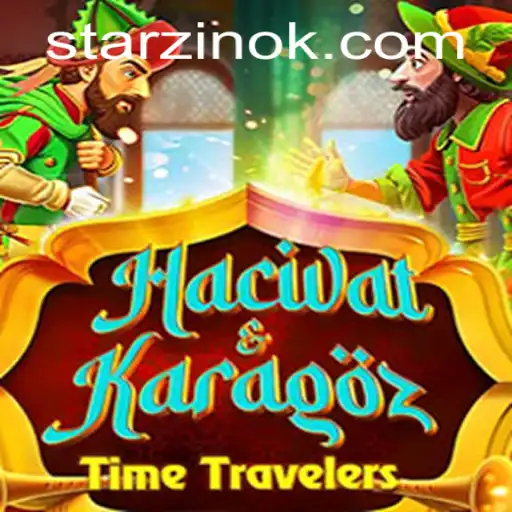
The Timeless Art of HacivatandKaragoz
An Introduction to the Turkish Shadow Play
HacivatandKaragoz is a renowned traditional Turkish shadow play that has captivated audiences for centuries. This unique form of theatrical presentation dates back to the Ottoman Empire, where it served as both entertainment and a means of cultural storytelling. Today, it remains a cherished cultural heritage, celebrated for its rich history and artistic expression.
The Roots of HacivatandKaragoz
The origins of HacivatandKaragoz are deeply rooted in Turkish culture, with its characters reflecting the diverse tapestry of Anatolian society. The play's titular characters, Hacivat and Karagoz, embody contrasting personas. Hacivat is often portrayed as an educated and eloquent individual, symbolizing the urban elite, while Karagoz represents the unrefined but quick-witted commoner. Together, they create a dynamic interplay that holds a mirror to society's virtues and flaws.
The Cultural Significance
As a shadow play, HacivatandKaragoz employs a delicate balance of humor, wit, and satire to engage its audience. The performances are traditionally executed with intricately designed puppets made from translucent leather, meticulously colored to bring each character to life. The art form is not only a source of entertainment but also a medium for social commentary, addressing themes such as morality, politics, and human behavior.
The Role of the Puppeteer
Central to the success of HacivatandKaragoz is the puppeteer, known as the 'hayali.' This skilled artist manipulates the puppets behind a lit curtain, creating vibrant silhouettes that dance across the screen. The hayali's role extends beyond simply maneuvering the puppets; they must also provide the voices for each character, often exhibiting impressive vocal range to convey the diverse personalities within the play.
Introduction of Current Events: The Digital Age
In recent years, HacivatandKaragoz has witnessed a resurgence in popularity, propelled by digital platforms eager to preserve and promote traditional art forms. Streaming services and social media have become alternative stages for this historic performance, allowing new audiences worldwide to experience its charm and cultural relevance. Virtual performances have introduced innovative storytelling techniques while maintaining the authenticity of classic themes.
Understanding the Rules of Engagement
HacivatandKaragoz follows a structured set of conventions that guide the interaction between characters and audience. These rules lend the play its rhythm and allow it to distill complex social messages into accessible narratives.
The Structure of the Performance
A typical HacivatandKaragoz performance comprises a series of acts, each separated by musical interludes and light banter. The opening act, known as the 'Mukaddime,' sets the stage by introducing the characters and premise of the story. It is followed by a series of humorous skits that explore various moral and social issues. The play concludes with the 'Bitiş,' where conflicts are resolved, often leaving behind a moral lesson wrapped in humor.
Audience Interaction
Integral to the allure of HacivatandKaragoz is the interactive nature of its performance. The audience is often invited to participate through responsive laughter, applause, and occasional vocal responses. This interaction enhances the immersive experience, bridging the gap between the performers and their audience.
The Themes and Motifs
The heart of HacivatandKaragoz lies in its thematic exploration of universal human experiences. The plays often portray the folly of overconfidence, the value of wisdom over wealth, and the importance of community and cooperation. Through its satirical lens, it delivers poignant reflections on the intricacies of human nature.
Modern Adaptations and Innovations
In adapting to contemporary tastes, HacivatandKaragoz has embraced modernity without relinquishing its traditional roots. Innovators within the art form have introduced thematic variations and technological enhancements to captivate modern audiences. From incorporating modern dialects to integrating digital projectors that enhance visual storytelling, these evolutions signify the resilience and adaptability of this illustrious art form.
Conclusion
HacivatandKaragoz remains a testament to the enduring power of storytelling and cultural expression. As it continues to evolve and find new platforms, its legacy as a cherished embodiment of Turkish heritage endures, inviting future generations to partake in its timeless charm and profound cultural significance.